

Lent in School
As the half term starts back, we return into the season of Lent, which began during half term, on Ash Wednesday. The Season of Lent marks the just-over-40 days leading up to Good Friday and Easter Sunday. The dates for these change every year. It’s never too late to start it up in school, acknowledging the season leading up to Good Friday (3rd April) and Easter Day (5th April). As it happens, our first Wednesday back is exactly 40 days up to and including Easter day – so our schools can mark their own Lent Wednesday.
The 40 days of Lent are based on the story of Jesus, forming his ministry by taking 40 days to fast and pray, and being tempted, in the wilderness. It can be found in Matthew 4:1-11.
It is also retold in this beautiful, short film [click here for “40”].
Lent is a time of reflection, leading up to Easter. Traditionally, this meant it was also a time of fasting and giving up some of the more luxurious foodstuffs, so the day before Ash Wednesday was a time of feasting, enjoying some of the rich foods such as dairy products. This is where Pancake Day comes from.
In the Diocese, Lent is regarded as a time for reflection, sometimes with special courses or study time for this, and also a time to create or review our personal Rules of Life – the routines, practices and actions that support and develop our faith.
There are three things I’d highlight for schools to do.
Firstly, make sure we know the story. You will have specific activities for the celebration of Easter but one encouragement should be to share the Easter story throughout Lent and make sure children are versed in the main events (e.g. the story recalled in ‘Understanding Christianity’, particularly in that excellent six stage set of images in the Key Stage 1 Resources: 1.5 Salvation Resources Sheet 1 and 2).
One way of doing this is to create ‘Stations’ of the story – accessible spaces around school where pictures or text are on display. Certain classes could take responsibility for creating one of these spaces. Children can move between these as a way of remembering the story.
Secondly, extend the chat to home. We’re always wanting to encourage the spirituality conversation between school and home. Lent is meant to be a time to reflect on our lives and the way we live them, so we could encourage children to think about the life rules or principles they have at home. The question for home could involve asking “What are our life rules?” This can include any religious practices and rules of life but can also include family rules (“one person cuts, the other shares”) and the things we would set down as guidelines to adopt for a good life. Families may collate these and maybe even draw up a set they can share with school.
Thirdly, share in rescues. Over the centuries Christians have understood what God did, through Jesus, at Easter, in various ways. These events of Easter the Church sees something of the way God does something that shows sacrificial love to save people. That’s a complicated idea, but one thing we affirm is that, this is, essentially, a rescue story. Salvation is about people being saved. School and home could share in thinking of some of the most amazing rescue stories we know – whether this be from history, personal experience or films and TV shows. What are the most amazing rescues we can think of? If classes created pictures or lists of great adventures, they can be displayed in a ‘salvation gallery’.
See below for the two hour ‘crash course’ in stuff like salvation and Easter.
Wishing you a blessed time as you join with Christians everywhere in the Lenten journey
Huw
Christian Concepts in RE
19th March 2026, 1.00pm – 3.00pm (Lunch from 12:30pm)
Venue: Church House Rotherham, S65 1BL.
Huw Thomas
This is subject knowledge; drawing on the Understanding Christianity resource and meeting the needs raised in the OfSTED RE review, this 2 hour session will provide an overview of Christian belief, Biblical background and the main theological concepts.
Open to all teachers and staff in schools, whether Church schools or not, this session will land the theology and open up some of the questions and debates within.
To book a place email Matt.Grindrod@sheffield.anglican.org
Previous blogs and updates from the Education Team:




Church of England Schools and Academies are a vital part of the work and ministry of the Diocese.
They provide education for the children and young people of South Yorkshire and a part of East Riding. There are currently 38 primary schools and 1 secondary school in the Diocese of Sheffield educating about 8,300 students.
The Diocese of Sheffield Board of Education (DBE) is committed to
- the development of effective collaboration with, and between, our Church Schools
- the celebration of the excellent work that has been, and will be, carried out in our Church Schools
- and to the supporting and enrichment of Church Schools’ distinctive offering of teaching and learning within a Christian context.
We have five areas of mission in relation to schools:
- Cultivation of Christian distinctiveness in the ethos and practice of our schools
- Securing of excellence for all children, with schools meeting and, in time, exceeding core expectations
- Strong leadership and capacity to improve within our service
- Networking leading to excellence through the sharing of school-to-school development across the Diocese
- Offer of service beyond the Diocese through schools affiliating and drawing upon our provision, in the wider community
Education team
Education



Events
Upcoming Education events that are still available to book onto will appear here. Please contact Matt Grindrod with any questions.



Lights for Schools
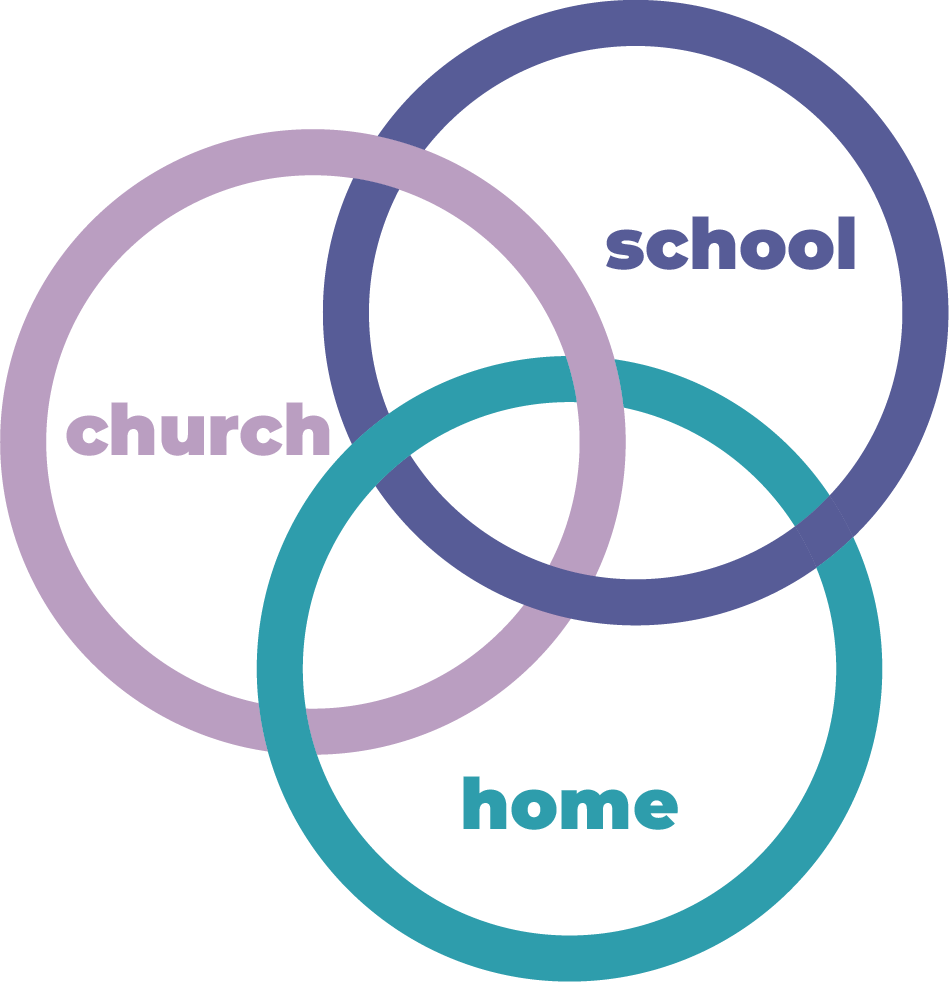
Growing Faith is the vision set by the House of Bishops to achieve a culture change within the Church so that greater relationship is encouraged between schools and churches, resourcing and support households to relate to the faith of the school and explore together.
It acknowledges and respects the religious diversity within our schools and seeks to develop a spirituality that meets the following objectives:
- To inspire a culture of reflection for schools and families that ties in with the church and Diocesan year
- To create shared conversation and engagement between school, home and church
- To provide access to the growing of faith within families and communities attached to our schools
- To enable churches to connect with families at the school, providing a way to invite engagement in the life of the church.
The Six Seasons
Outline of each section
The sections below all have a similar outline as follows:
- The season is named and explained.
- The Schools section provides thoughts on school based activities, with the focus being on developing a shared awareness and agenda for growing faith. Clearly, schools do other activities. For example, at Christmas time schools do a large number of activities – the purpose of this paper is not to list them but to align the Growing Faith aspirations with them.
- Families and Homes provides a simple way of developing the content of the season concerned within the families of children at the school.
- The Engaging the Church section is designed to suggest some specific activities to bring church, school and home together.
- The Diocesan section suggests ways in which the Diocesan leadership and support for schools will gear up for these times.
- Dates to note are listed, with a focus on the ones we recommend for our schools.
- The Understanding Christianity section embeds these activities in the theological concepts studies in our schools that are a good focus for this time. It is not intended that the school should gear planning to match this timescale but rather that the resource may be drawn upon for supporting ideas and materials, as well as a tying in of the season with the imagery on the Big Frieze.
The spirituality of Lights in Schools is structured around six seasons, tying in with the ‘Lights for Christ‘ year.

The period in the annual church calendar, from 1st September to early October, dedicated to God as Creator and Sustainer of all life.

A time of Remembrance around November and also the time when Sheffield Diocese engages in “Wear Your Faith Fortnight”
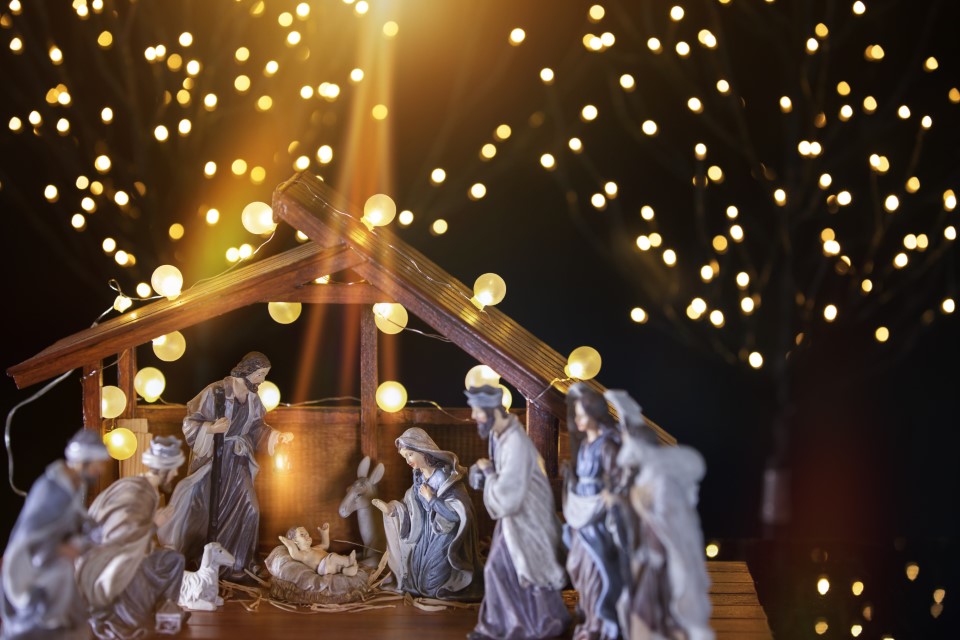
The season leading up to and marking the celebration of Christ’s birth covers all of December and takes us to the end of the school term.

January 6th is the celebration of Epiphany, the end of the twelve days of Christmas celebration. Candlemas on February 2nd marks the Presentation of Jesus in the Temple.
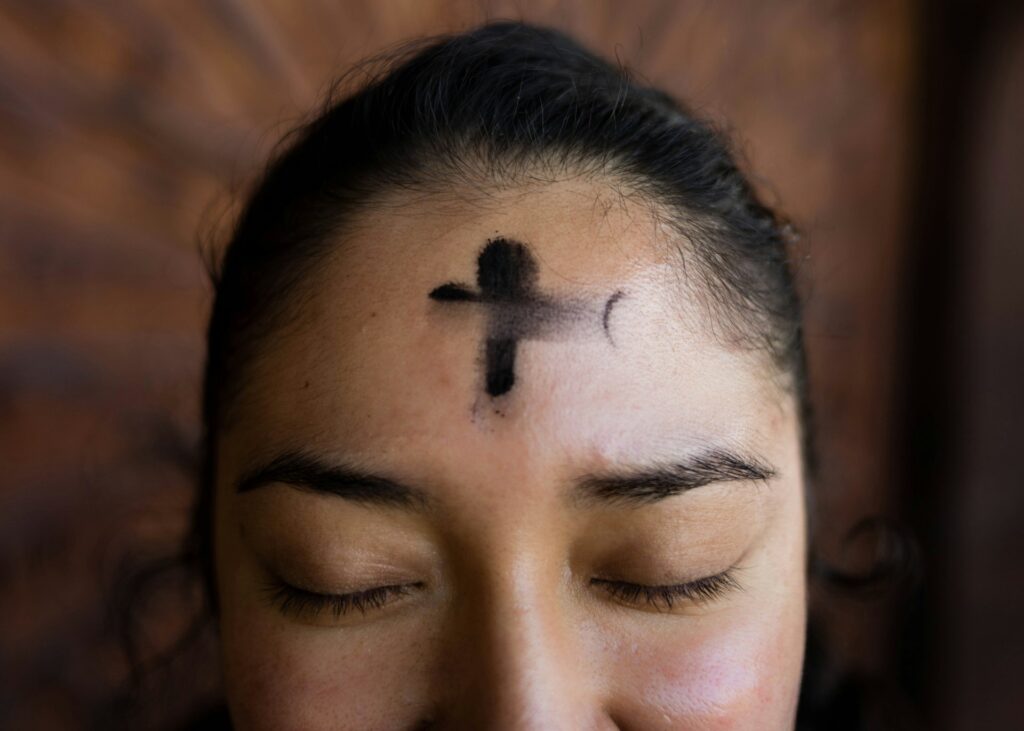
The Season of Lent marks the just-over-40 days leading up to Good Friday and Easter Sunday. The dates for these change every year.

During the weeks that follow Easter the Church celebrates ascension, and the story of Jesus departing from this earth
EXPLORE MORE

Details of the board and its members

We have a professionally qualified safeguarding team who are the first point of contact for any concerns or queries in this area

Equipping local church to disciple a new generation of young people, children and families.