

Published on: 16/06/2026
For many years, leadership in children’s and youth ministry often looked like standing at the front, having the answers, making the decisions, and expecting others to follow. While there is still a place for guidance and direction, I believe God is calling us to lead in a different way.
A different way begins with leading with people rather than leading over them. Ministry is not something we do to children, young people, volunteers, or families. It is something we do with them. We journey together, walk together, and serve together. This means genuinely valuing what others contribute. Children and young people are not projects to be managed; they are fellow disciples with insights, questions, gifts, and experiences that can teach us something about God.
Relationship must be our highest priority. Programmes, events, and activities matter, but relationships create the environment where growth happens. Taking time to listen, remembering what matters to a child, encouraging a volunteer after a difficult week, or sharing a meal with families can often have a greater impact than the most carefully planned session. When people know they are loved, trusted, and valued, they become open to learning and growing. How could you step up relationships in your church?
This also changes the way we teach. Children and young people are not empty vessels waiting to be filled with information. God has already placed gifts, curiosity, imagination, and wisdom within them, and also choses to speak through them (Matt 11: 25). Our role is not simply to present our set of answers to them, but to invite them into thinking for themselves. We can encourage questions, exploration, and reflection. Some of the most important moments in my ministry have happened when a child asked a question I couldn’t answer immediately. In those moments, we model that following Jesus is a lifelong journey of learning. In fact, some of my greatest lessons have come from children themselves, whose perspectives have challenged and deepened my faith.
The same principle applies to our teams. Healthy ministry creates a culture of learning among leaders and volunteers. We do not need to know everything or do everything. We need humility, curiosity, and a willingness to grow together. Every member of the team has something valuable to offer, and empowering people with meaningful roles strengthens both the ministry and the individuals serving within it. We need everyone.
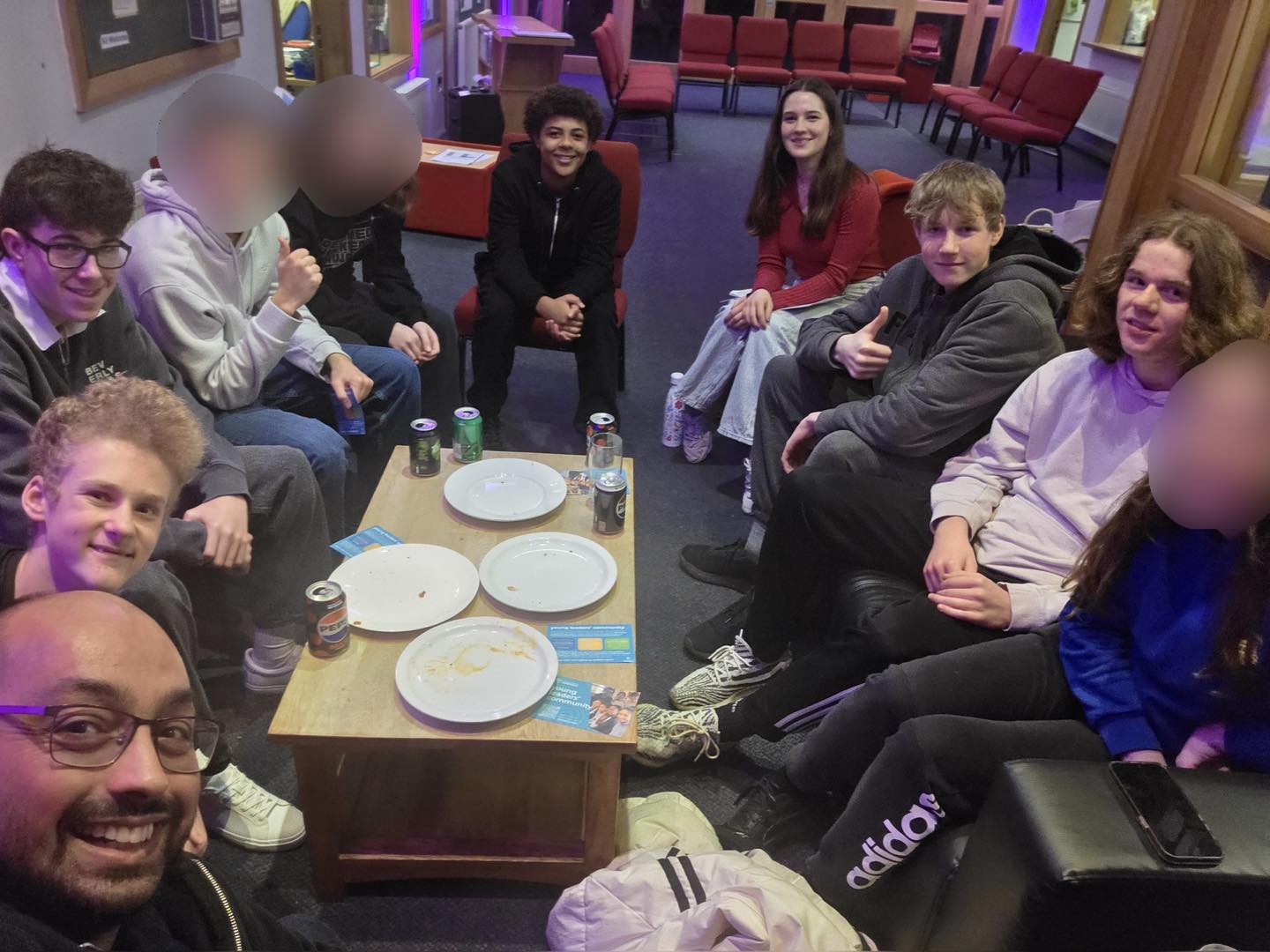
Leading differently also means empowering children and young people to lead in supported ways. Looking back, some of my most formative experiences came from leaders who trusted me. Whether through leading prayers, helping to run games and activities, contributing to worship, or taking responsibility for planning events, they gave us opportunities to grow. Those experiences built confidence, faith, and ownership.
Growth rarely happens by accident. Like a garden, discipleship needs the right elements to grow: an environment of love, trust, relationship and empowerment; opportunities to step into new brave new things that challenge us; and nourishment through teaching and training. Our role is to create those conditions.
Perhaps this is the shift we are being called to make: from doing it all from the front, to doing it with our children and young people. From controlling to conversation. From leading ahead to walking alongside. As we leave behind older models of leadership that relied on authority alone, we can embrace a more relational, collaborative, and Kingdom-shaped way of leading—one that helps everyone grow into the people God created them to be.
For more information about the Young Leaders’ Community in Sheffield Diocese, visit: sheffdio.org/ylc
This week’s Blog post was written by Mike North, Children and Young People’s Adviser