
Published on: 18/06/2026
The Diocese of Sheffield has today acknowledged the Church of England’s national apology for its role in historical adoption practices, including in mother and baby homes, and the lasting harm experienced by many mothers, children and families.
Please note: The following includes references to historical adoption practices, including the separation of mothers and babies, stigma, and experiences of trauma and lasting emotional harm. Details of support services are also included below.
The Church of England has issued a formal apology alongside new research into its involvement in mother and baby homes between 1949 and 1976. The research highlights the significant role played by the Church within a wider system shaped by the social attitudes of the time, in which unmarried mothers often faced stigma and limited support.
The research concludes that while some care and kindness were provided, many people experienced harm, lasting trauma, and separation from their children, and that these experiences continue to affect lives today.
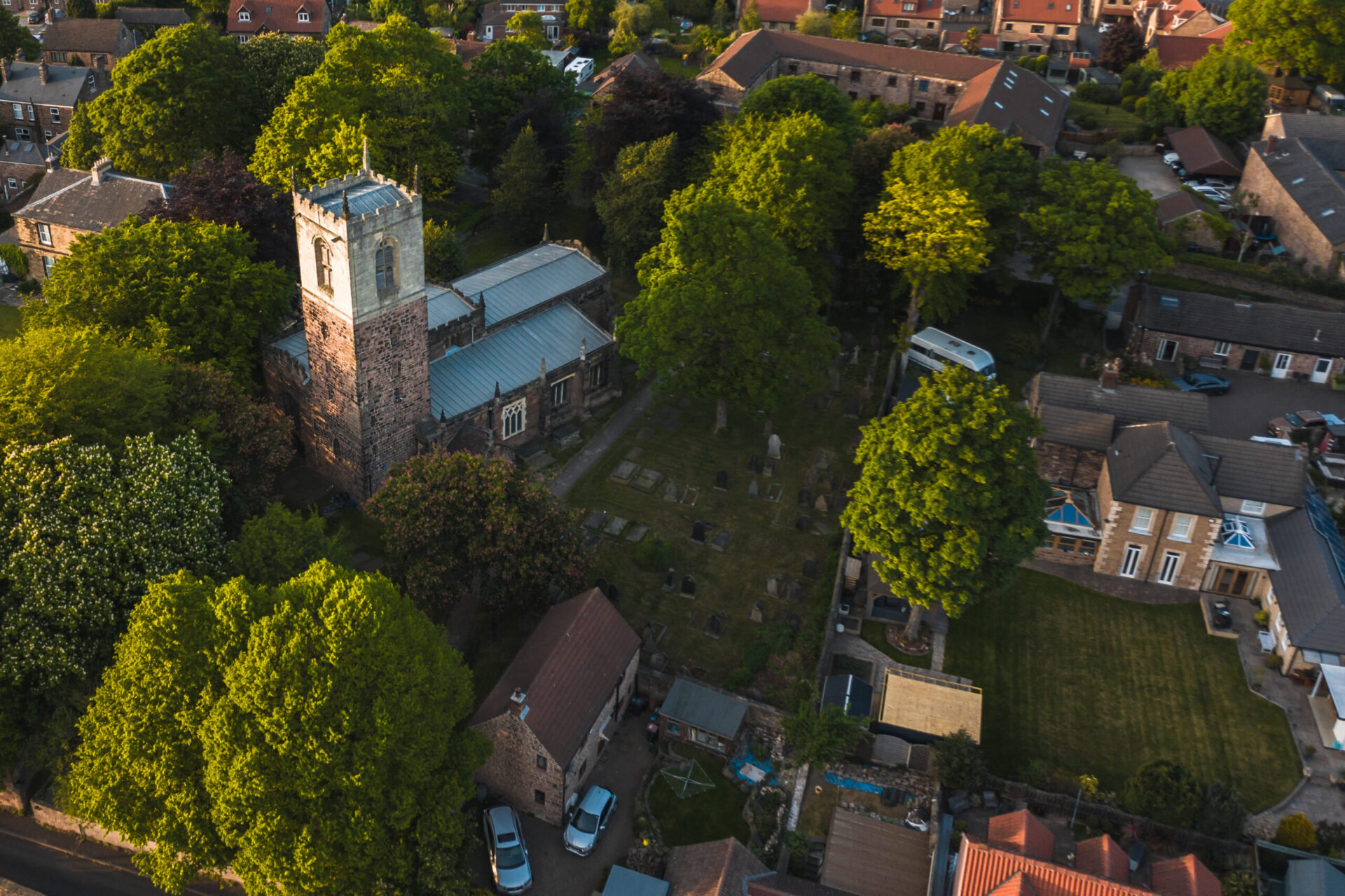
The Diocese of Sheffield is aware that this history includes a local connection as it operated the St Agatha’s Mother and Baby Home in Sheffield which closed in 1973.
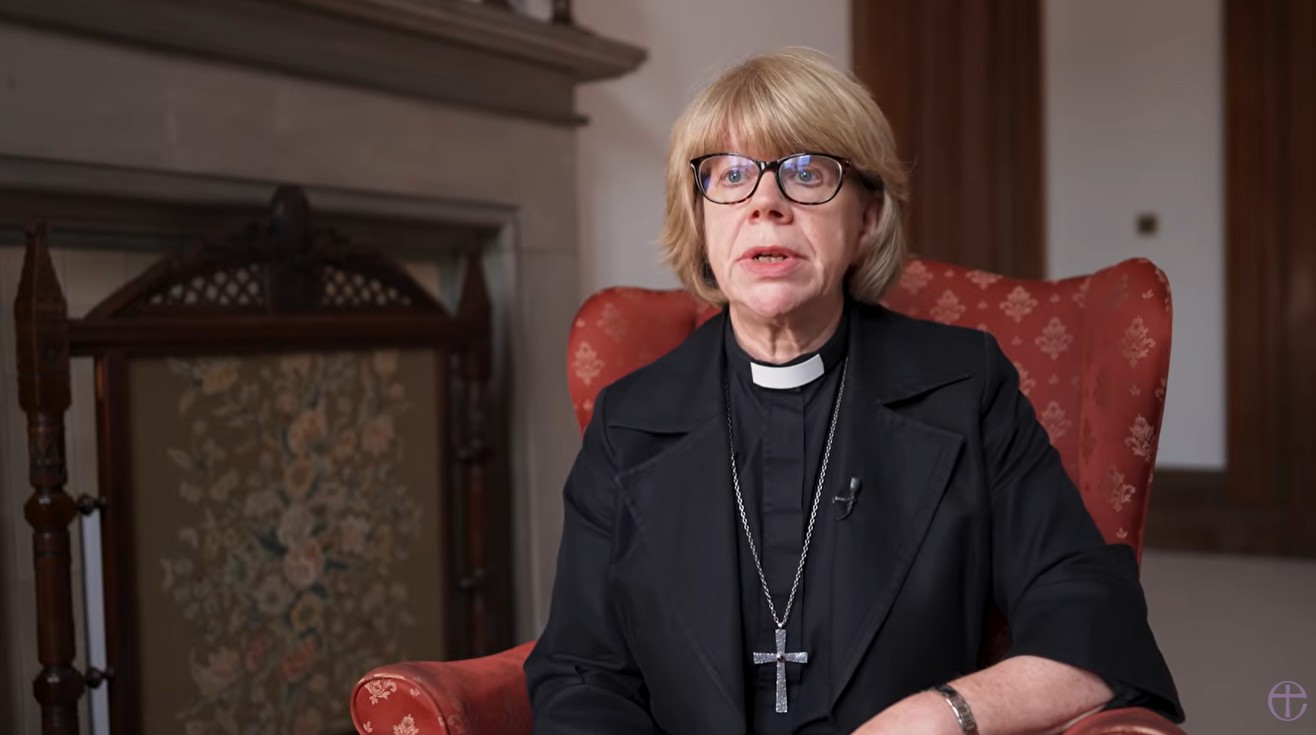
The Bishop of Sheffield said:
“Today’s apology from the Church of England is an important and sobering moment.
We recognise the deep and lasting pain experienced by many mothers, children and families, including those whose lives were touched by homes connected to this diocese.
We are deeply sorry for the harm that was caused, and for the ways in which people were not always treated with the dignity, compassion and care they deserved.
To anyone affected, especially those with local connections, I want to say that we are committed to listening, to learning, and to responding with humility and compassion.
Christians believe every human being is a unique creation in the image and likeness of God. This means that the Church must be a place where every person is treated with dignity and care. This moment calls us not only to acknowledge the past but to ensure that such harm is never repeated.”
We recognise that this may make today’s announcement particularly difficult for people in our communities, and we are committed to responding sensitively and pastorally to anyone affected.
Listening to those with lived experience has been central to this work, including testimony shared through dioceses and wider Church contexts. These accounts reflect lifelong impacts, including trauma, stigma and separation, which continue to be felt today.
If you have been affected, support is available:
-
- Specialist adoption support organisations are listed on the Church of England’s website: Historical adoption practices | The Church of England
-
- Safe Spaces offers confidential support. Helpline 0300 303 1056