



Video Transcript
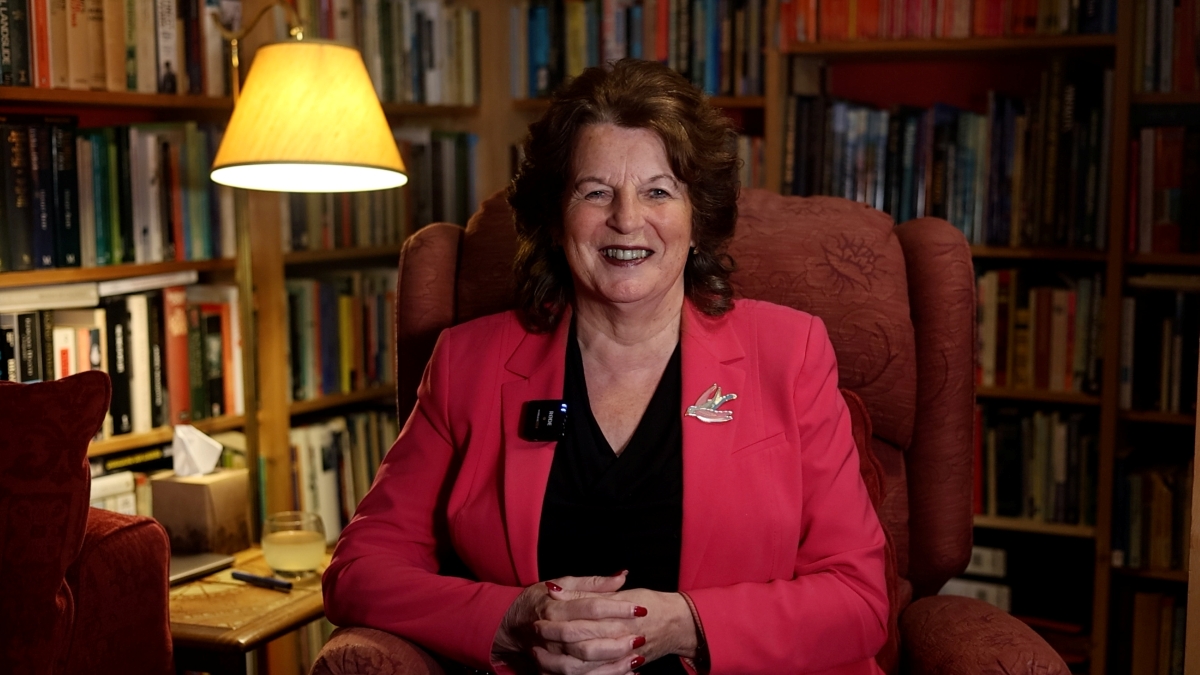
This short video outlines the Pastoral Care Strategy for the Diocese of Sheffield, initiated in 2018 and developed by Bishop Pete, Bishop of Sheffield, and myself as Bishop’s Advisor for Pastoral Care. In 2018, following an initial research and listening phase we developed a two-fold strategy for Mental Health and Wellbeing for clergy in the Diocese, and for their partner or spouse. The aim of the strategy is to enhance clergy wellbeing and effectiveness, and to support clergy in their long years of sustained ministry. The two-fold nature of the strategy addresses the need for both a response to current mental health need; and a creative, long term preventative element. Both of these are important and they are complementary.
Churches Ministerial Counselling Service (CMCS)
The current mental health need response is vital for clergy, and their spouse or partner, for those times of mental and emotional health need. The long term preventative element is needed as a sustained resource and support for clergy ministry, and its ongoing nature becomes a vital enabler of continuing formation and ministerial development. The current mental health response component of the strategy is available for clergy and their spouse or partner through the Churches Ministerial Counselling Service (CMCS). This is a nationwide service of professionally accredited and registered Counsellors and Psychotherapists. Sessions are offered face to face or online. The Sheffield Diocese funds up to 12 sessions, with the possibility of an extension to 24 sessions where needed. Clergy can access CMCS to request help by contacting Jane Knights, Regional Coordinator, directly by email.
The Pastoral Supervision Scheme
The preventative element of the strategy is the Pastoral Supervision Scheme which I began in 2019. To introduce what Pastoral Supervision is I can do no better than a quote from one of Sheffield’s clergy, who has benefitted from Pastoral Supervision for many years.
“My experience of Pastoral Supervision has been both affirming and challenging as I continue in ordained ministry. Two key elements have been the confidential space it provides, and being in a Pastoral Supervision group with trusted colleagues. This has enabled me to reflect openly on my practice and my being, to learn from and actively support others, to wrestle over the long-term with difficult and challenging circumstances, and to share both joys and sorrows honestly. Of utmost value has been the careful facilitation of the group by the Pastoral Supervisor. This has always included offering a creative space which has enabled often surprising and unexpected conversation and reflection, alongside the time for the issues each of us has brought. I have come to regard my participation in a Pastoral Supervision Group as an essential part of my ongoing self-care, as well as my continuing formation and ministerial development.” Karen Cribb 2026
The Pastoral Supervision Scheme makes Pastoral Supervision available to all clergy, including curates, in the Sheffield Diocese either as a member of a group or individually. Most of the groups are three members of clergy meeting with a Pastoral Supervisor every 4 – 6 weeks for an hour and a half. Pastoral Supervision Groups have proved to be effective in addressing the loneliness of the role which many clergy experience, and also as an opportunity for co-creativity which can be exciting and powerful. Pastoral Supervisors are professionally trained and accredited through APSE – the national organisation for Pastoral Supervision. If you wish to begin to have Pastoral Supervision please contact me at the email address on the screen. Please also contact me if you wish to explore the best support and optimal timing for you to address the difficulties and challenges you are experiencing.
The Pastoral Care Strategy
Over the last eight years it seems that the Pastoral Care Strategy which we introduced has been successful in effectively resourcing clergy in their wellbeing and mental health. One indicator of this is that the need from our Diocese for sessions with CMCS has reduced. This is really good in itself, and is linked to the complementary and effective preventative strategy of the Pastoral Supervision Scheme. It is good to see that the initial aim of the strategy – to enhance clergy wellbeing and effectiveness and to support clergy in their long years of sustained ministry – seems to be being fulfilled.
Thank you for listening!
Our Diocesan Wellbeing Booklet ‘Flourishing in Ordained Ministry: Clergy and their Households’ has lots of helpful information for ordained as well as lay ministers.
The flourishing in ministry section covers the following with lots of sources of support for each:
- Good practice
- Times of rest
- Personal relationships
- Ministerial flourishing
- Physical and mental wellbeing
- Financial and material wellbeing
Pastoral Supervision Scheme
There is the opportunity for any clergy who wish to do so, to join a Pastoral Supervision Group.
Pastoral Supervision provides a regular and confidential space in which (usually in groups of 3 or 4) clergy are able to reflect with others on the pastoral demands of our ministry and on the toll those demands are placing on us as (to echo the language of the Ordinal) we delight in the beauty of the Church and rejoice in its wellbeing.
Contact Patricia Hunt (see above) to join a group, or to undertake training to become a Pastoral Supervisor.
Churches Ministerial Counselling Service
Churches’ Ministerial Counselling Service (CMCS) works with a network of professional counsellors operating in England, Scotland and Wales to offer subsidised support to ministers and their households. Find out more
The Covenant for Clergy Care and Wellbeing
This was made an Act of Synod in February 2020..
The accompanying resources are designed to help initiate and guide discussions around clergy care and to engage all parts of the church including Bishops, Parish level stakeholders as well as clergy themselves.
There are three documents available:
- A document for Reflection and Action for Clergy
- A document for Reflection and Action for Local Congregations
- A document for Reflection and Action for Bishops and the Wider Church
Covenant for Clergy Care and Wellbeing
Other useful support
British Association for Counselling and Psychotherapy
Every Mind Matters
Samaritans
Tragedy and congregations Guidance for ministers
Mind & Soul
Zero Suicide Alliance