
Why listen to children, young people and families?
In all things, we should be listening for God’s voice John 10:27. God may speak to us during our own prayer and Bible time, or through other people.
In the Bible, God works in and through the unexpected people time and again: the youngest brother, the woman from another tribe, the Roman centurion, the Canaanite prostitute. God doesn’t judge how the world judges and doesn’t value what the world values 1 Samuel 16:7. As Jesus’ hands and feet, the Church should be seeking to value and listen to the unexpected people, including children and families, in the same way that God does.
Listening is the first step to discerning how best to interact and engage with a person or group of people. It allows us to consider different perspectives and gain a greater understanding of what the church might be consciously or subconsciously teaching children and families.
When we listen to children, young people and families and act on what we hear, we are showing that their thoughts and experiences matter to us.
How to listen to children, young people and families
We want children, young people and families to feel valued and included. But what can you do to get there?
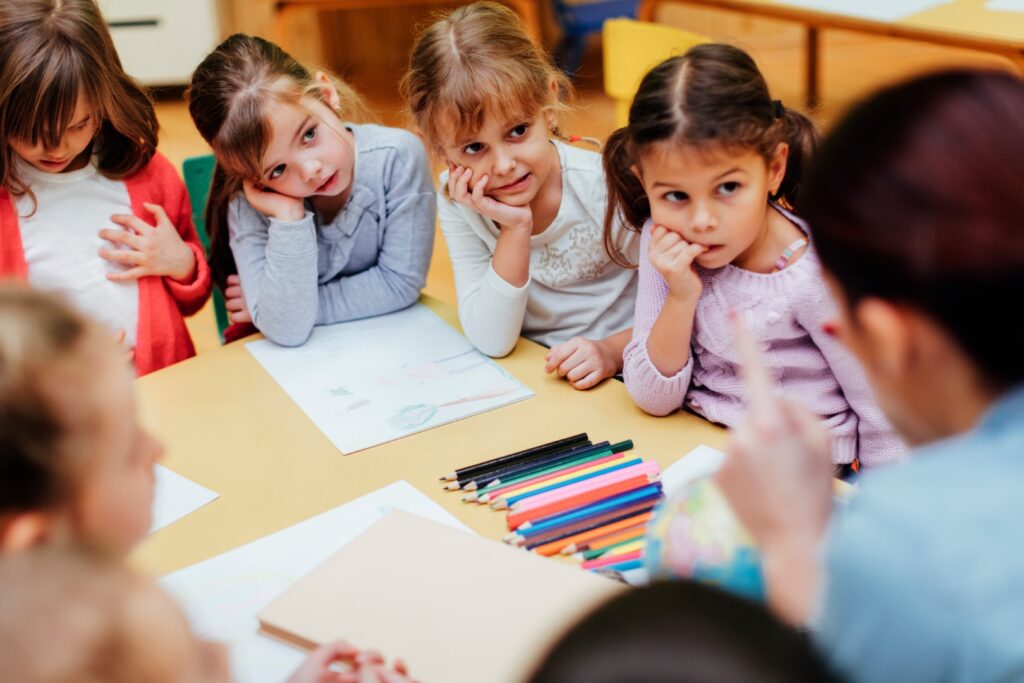
- Show an interest in what the children say to you, even if it seems random at first.
- Clarify your understanding of what the children have said.
- Build in times during your sessions where you can hear feedback, facilitate discussion, and encourage children to talk about their experiences and opinions.
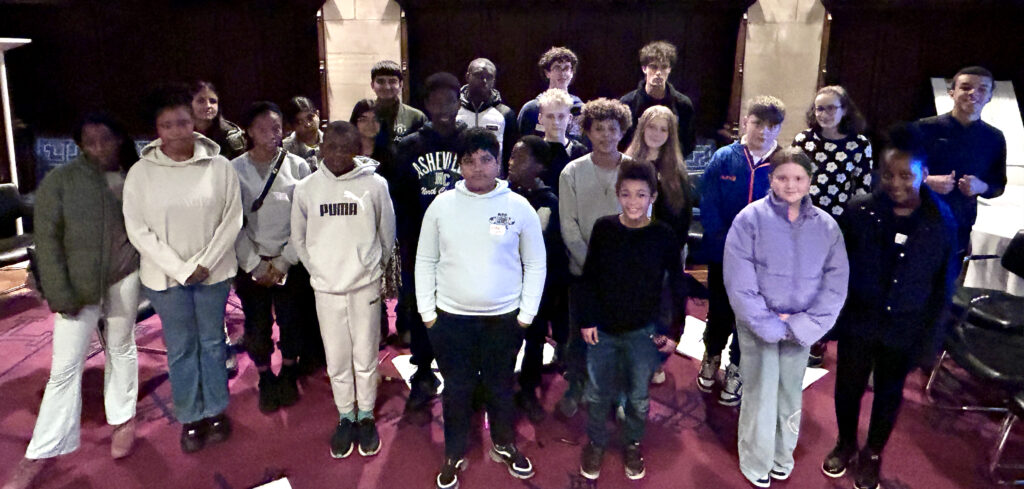
- Have a termly or yearly listening sessions with the children about what you do in school. Include families too where possible.
- Send out a survey to parents if you have specific questions about something new you’d like to start.
- Children, particularly younger children, speak with their actions and behaviour. There are many factors to consider but if the majority of children are struggling to engage in what you’re doing, it might mean something has to change.
Helpful Documents
National Resources
We Hear You Listening Resource
Techniques for Listening to Children and Young People
Acting on what you hear
Some ideas for what to do next:
- If the children express an interest in something in particular, build that in to a future session.
- Address the children’s questions.
- List some actions after your listening sessions.
- Something practical or logistical may need to be adapted to meet the needs of those who attend.
- Meet families where they’re at in terms of their knowledge of the Bible and comfort with spiritual things.
- Be on the look out for opportunities for children to take on responsibilities and lead certain aspects of a session.
- Involve children and families in prayer. This Barnabas Blog entry on Meaningful Prayer with Children and Young People explores this further.
- Get support from the Diocesan Children, Youth and Families central team!