Published on: 19/02/2026
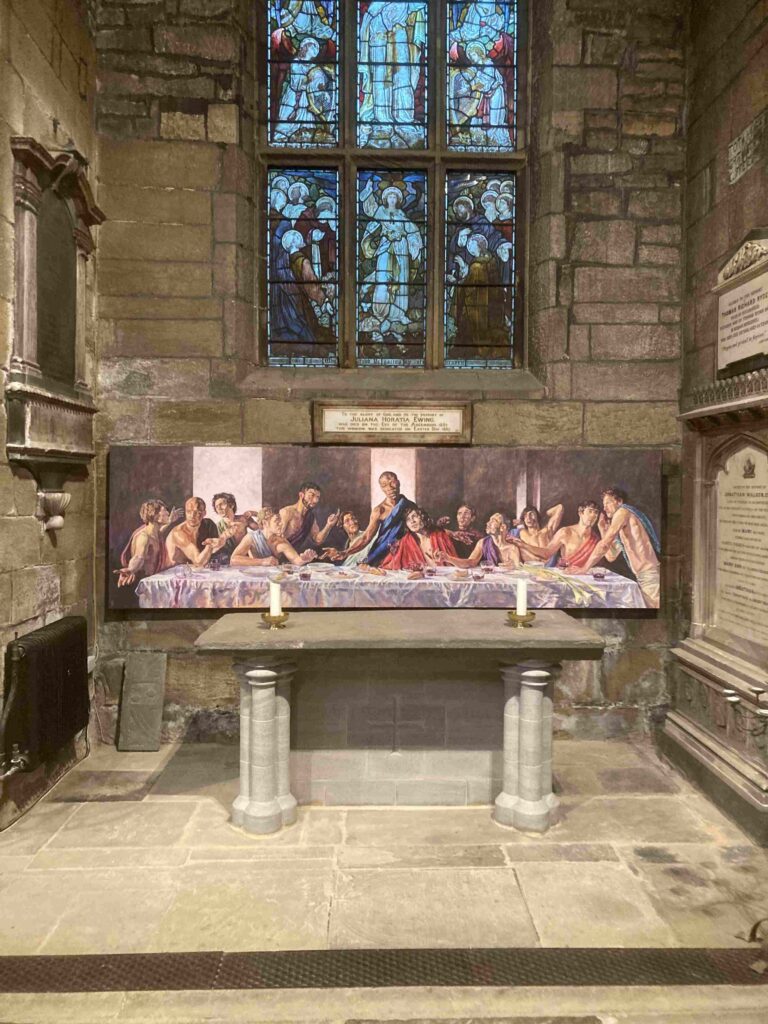
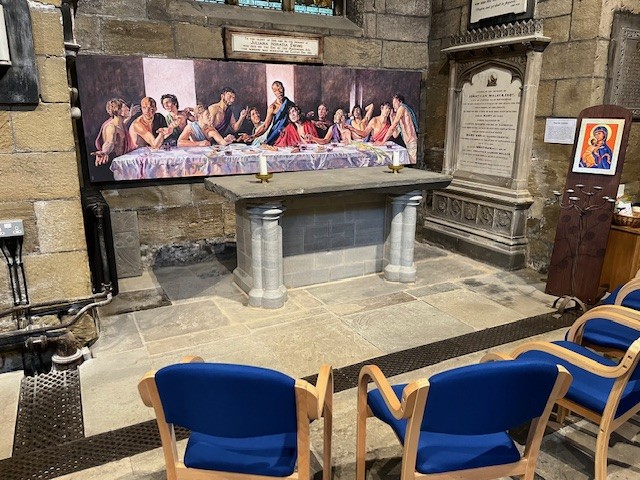
A new chapel has opened at St Mary’s Ecclesfield, celebrating hundreds of years of rich history at the church and providing a further space for the community to reflect and find fellowship.
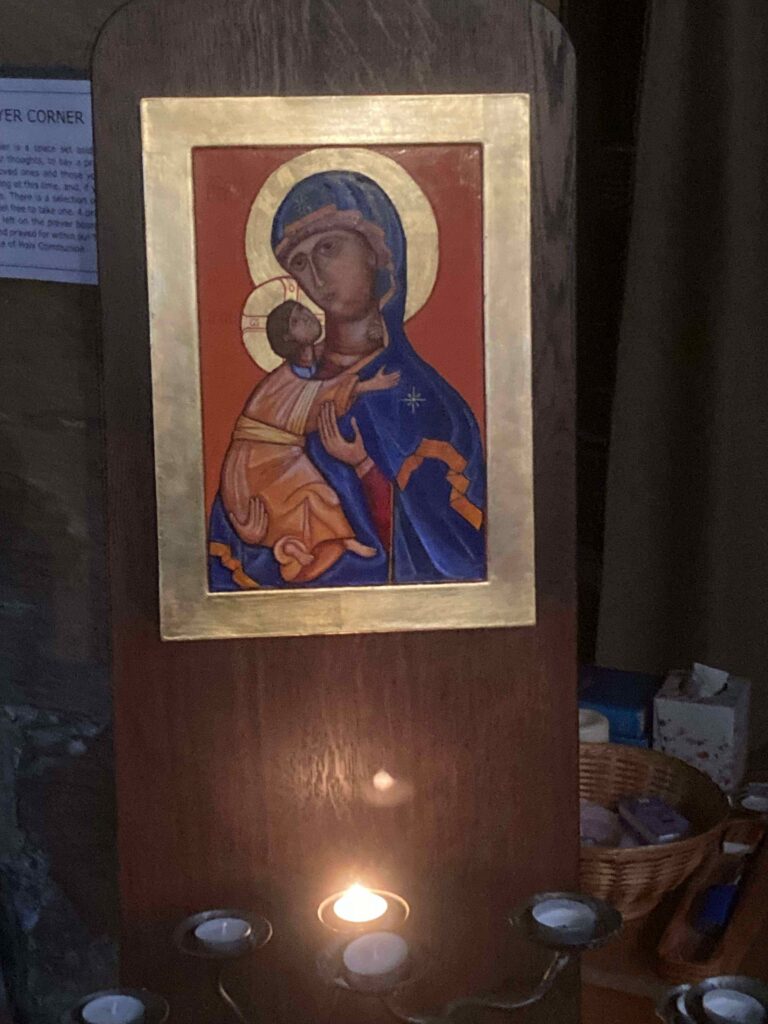
It follows work commissioned to produce an icon and painting to accompany the reinstated chapel, with efforts being funded through donations from different people. Originally based in the north transept (prayer corner) of the church, the mediaeval mensa (consecrated altar slab) was located behind several picture boards.
Once work got underway in late 2025, artwork was commissioned from Revd Richard Walton (retired priest at Sheffield Cathedral) to create an icon of ‘Our Lady of Vladimir’, a Byzantine Eleusa type of icon. Artist Lorna Wadsworth, who grew up in the parish and is well-known internationally, produced a full-size print of her well-known artwork of The Last Supper to sit just behind the refurbished altar.
The chapel is mainly being used for private prayer, with a contemplative prayer group meeting there twice a month. During communion, private prayer is offered there so people can go and be prayed for.
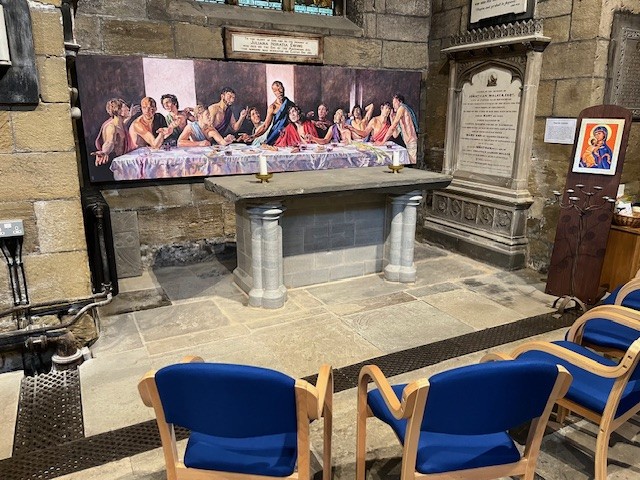
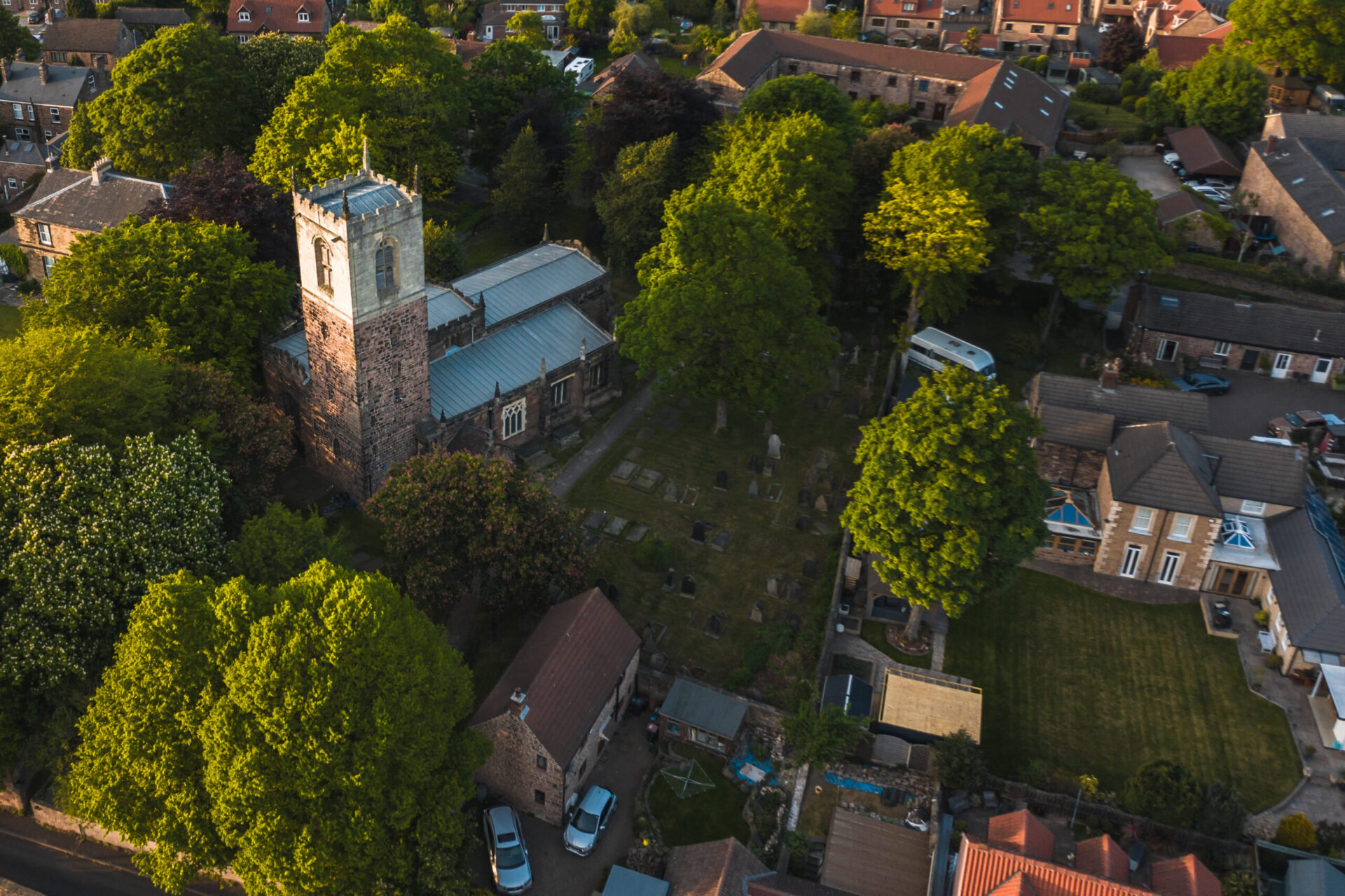
These additions have formed together a new chapel within the building, sitting in a rich history of over 1,500 years of worship on the site of St Mary’s, with the existing building dating back to the 14th century (with 12th century elements). Much of the woodwork beyond the chancel of St Mary’s is Tudor, with Jacobean pews and lots of historically important artefacts alongside.
The Rt Revd Leah Vasey-Saunders, Bishop of Doncaster, will consecrate the altar during a special patronal festival service at St Mary’s on Sunday 16 August (10am).
Revd Tim Gill, Vicar of St Mary’s Ecclesfield, said:
‘I had first seen the old altar when I arrived in the parish 10 years ago, and ever since I’ve been really keen to get it properly reinstated. An archaeologist I spoke with recently said we have one of the most important heritages in South Yorkshire.
‘There’s a long history of the artefacts based here but they are used; this is not a museum – it’s a living building. In reinstating the altar, we are reinstating an ancient altar which has been out of use since the Reformation, so for roughly 500 years. We’re reinstating it in a new way, so it’s going to be used again for what it was originally created for – the celebration of communion, and as a focal point for prayer and worship.’
Tim added:
‘It is very beautiful, and I think it enhances the beauty of the building. God is the creator of all things, but God is not just a creator of things that are functional, God is an artist.
‘The world is beautiful, and this reflects God’s artistry and His gift to us of beauty. It’s an ideal space because it’s very much in public view, but it is also private enough so that no one can hear what is being said if they have asked for some private prayers for them. It’s a place for private prayer, not just for the congregation, but for the wider community.’